
Will divorce hurt my kids? Divorce can be painful and disruptive, especially during the first two years. But it does not automatically cause serious lifelong harm.
Research shows that most children of divorce grow up without serious long-term emotional, psychological, or social problems. Just as importantly, the condition of the marriage before divorce matters. A peaceful, low-conflict marriage is generally good for children. A home filled with abuse, hostility, fear, addiction, coercive control, or chronic betrayal is not.
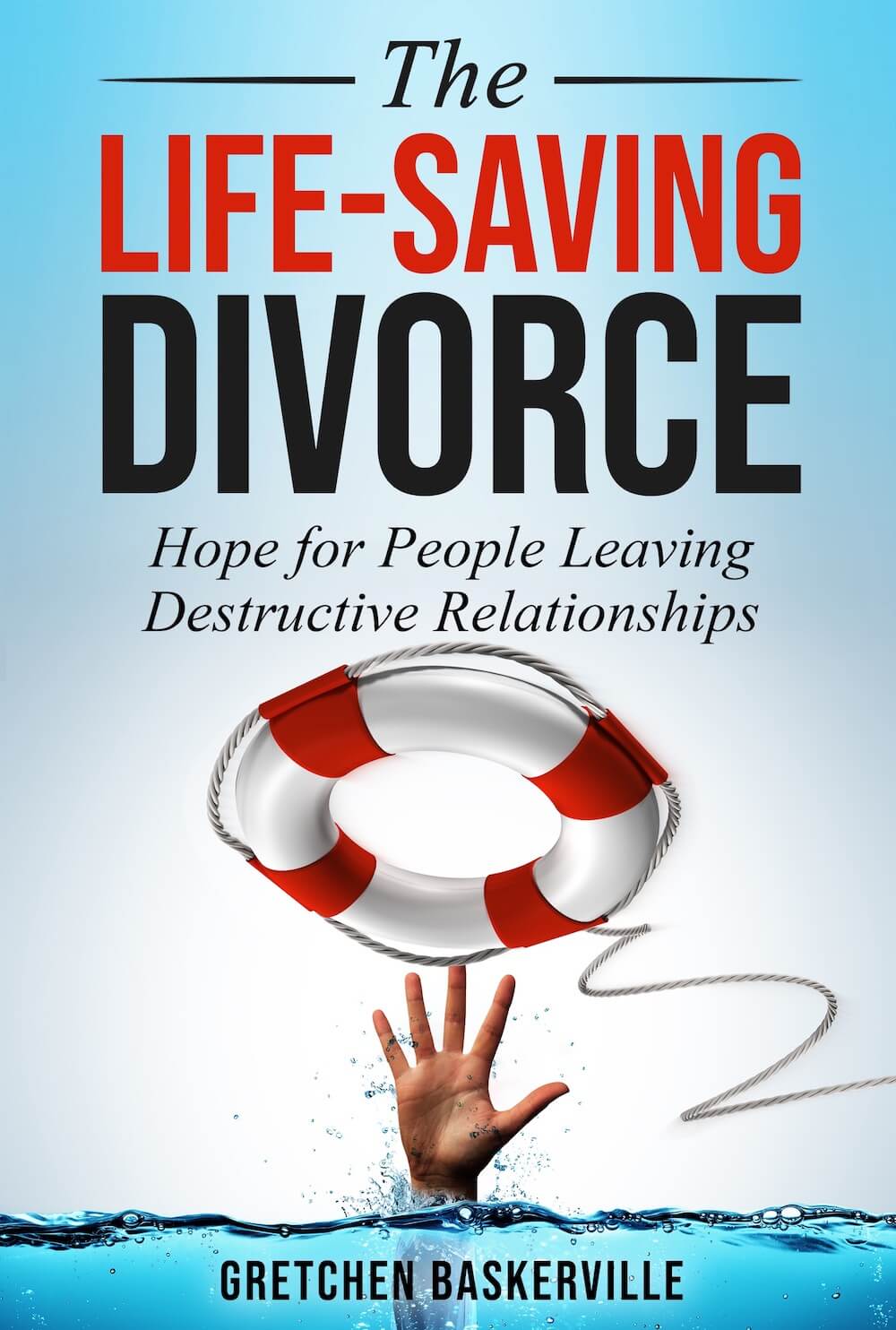
I have led Christian divorce-recovery groups since 1998, and I wrote The Life-Saving Divorce for people leaving marriages with these serious, destructive patterns. You can read my definition of a life-saving divorce.
What Research Says About Children and Divorce
1. Most children of divorce do not suffer serious lifelong harm
About 8 in 10 children from divorced families grow up without serious long-term social, emotional, or psychological problems.
This does not mean children feel no grief. They may cry, miss the other parent, dislike moving between homes, or struggle with changes at school. Pain during a difficult transition is not the same as permanent damage. Learn more about why most children recover after divorce.
2. Severe outcomes remain uncommon
A major 2025 study found that parental divorce was associated with increased risks of teen birth, incarceration, and early death. Those increases deserve to be taken seriously. But the absolute numbers were still low. An increased risk does not mean an outcome is likely—or inevitable.
See my explanation of the study on children’s long-term outcomes after divorce, including the actual numbers that alarming headlines often leave out.
3. Most children are never suspended or expelled
According to data from the 2016 National Household Education Survey, about 8% of children in separated or divorced homes had ever been suspended or expelled, compared with 5% in married-parent homes. That is a difference, but it also means the overwhelming majority of children in both groups had never been suspended or expelled.

4. Most children of divorce who marry do not divorce
Children whose parents divorced are somewhat more likely to divorce as adults, but most still have lifelong marriages. One analysis found divorce rates of 47% among people whose parents divorced and 40% among those whose parents remained married—a difference of 7 percentage points.
That is not the same as saying a child has only a 7% chance of staying married. Most people in both groups did not divorce.
5. Leaving a high-distress marriage may protect children
Researchers distinguish ordinary marital difficulties from homes with chronic, unresolved hostility and distress. Dr. Paul Amato concluded that when parents reported high levels of discord, “offspring with divorced parents were better off than offspring with continuously married parents.”
Research also shows that the benefits of a two-parent home can disappear when one parent has seriously antisocial or destructive behavior. Read my summary of the Jaffee study on destructive parental behavior.
What Helps Children Most?
Children need safety, stable routines, warmth, honest age-appropriate reassurance, and at least one dependable parent. They also benefit when adults protect them from legal conflict, hostile messages, and pressure to take sides. Professional support may be helpful when a child is struggling.
God is not absent from this painful decision. “The Lord is close to the brokenhearted” (Psalm 34:18, NIV). You and your children are precious to him.
For more on this, see chapter 7 in The Life-Saving Divorce.
Watch: Five Research Findings About Kids and Divorce
This information is educational and is not legal, medical, or mental-health advice. For guidance about your family’s circumstances, consult qualified professionals who understand abuse and high-conflict divorce.
 :
:
 :
: Buy PDF