

“I Wish I’d Left Sooner”: What Parents Say About Timing Their Divorce When Kids Are Involved
One of the hardest questions parents in destructive marriages ask is:
“Should I wait until the kids are older?”
Many fear that divorce will scar their children or destroy their stability. People of faith, especially, want to feel they’ve done everything to fix their marriage. They pray, forgive, seek counsel, and try everything to make it work—so they often stay far longer than they should.
But when I ask parents who left years ago—long enough to see how their kids are doing now—a clear pattern emerges. Most parents, about 2 in 3, say the same thing:
“I wish I’d left sooner.”
These are not impulsive people. They are devoted, thoughtful parents who endured years—sometimes decades—of control, manipulation, and emotional or spiritual abuse. They stayed because they loved their kids and wanted to protect them. But now, looking back, they realize something profound: staying was the harm.
The Consistent Message: The Younger They Were, the Easier It Was
Again and again, parents notice that their youngest children—those who spent the least time in the abusive home—tend to recover more quickly and grow up emotionally healthier.
“It’s easier on the younger ones for sure. This is their normal.”
Another parent shared:
“My youngest doesn’t remember life before the divorce.
I wish that were true for my older ones.”
Many describe how the older children, who spent more years walking on eggshells, often struggle with anxiety, people-pleasing, or guilt.
“My youngest is thriving and has way fewer issues than the oldest. They lived small for so long.”
The family research community is divided on when divorce is best for children—but when there is violence, tension, verbal or emotional abuse, or danger, they agree: the sooner the better. Studies show that children who witness domestic abuse or are directly impacted face higher risks of anxiety, depression, and relationship problems. Once they’re safe, however, most children show remarkable resilience.
The key variable isn’t whether the home is “intact”—it’s whether it’s safe.
(For more, see https://lifesavingdivorce.com/abuse-and-kids/ and for quotes from researchers, see https://lifesavingdivorce.com/wallerstein)
Why So Many Stay: Fear, Faith, and “Enduring for the Kids”
About 1 in 3 parents who responded to my question in my Life-Saving Divorce online private group explained that leaving sooner simply wasn’t possible.
“It wasn’t safe to leave before. I could only handle it once I had fewer kids at home.”
“The police took my ex away the day we separated. That was my only window to get free.”
These stories remind us how complex these decisions are. Financial dependence, fear, church pressure, and emotional manipulation keep many trapped. Some were told by pastors that divorce was a failure, even when abuse was destroying their home.
But Scripture never commands anyone to stay in harm’s way as a way of proving they have amazing faith in God’s miracles. In fact, it’s just the opposite. Jesus rebuked Satan for trying to persuade him to risk his life by leaping from the pinnacle of the Temple as proof that God would protect him because he was so righteous and obedient. Matthew 4:5-7.
“God’s timing is always perfect even when we don’t see it that way. I wish I had left earlier for sure—but I’m so thankful for His deliverance.”
The Cost of Staying: What Older Kids Remember
Parents who stayed “for the children” often found that it was the older kids who carried the deepest wounds.
“I thought I was hiding the abuse, but my boys remember things I wish they didn’t.”
“My teenagers lived in constant fear. They learned that love meant walking on eggshells.”
Several parents said they were shocked to discover how much their older children internalized the dysfunction.
“I wish I could have given my older two a better example of healthy. They knew our home wasn’t normal.”
Many parents now see that staying too long taught their kids to normalize disrespect or emotional neglect. They didn’t regret divorcing—they regretted the years of damage that preceded it.
Still, they also shared stories of redemption.
“My son chose to live with his dad for a few years, and it broke my heart. But as he grew up, he saw the truth. Now we’re closer than ever.”
Time and safety reveal reality. When the chaos ends, children begin to remember who truly protected them.
Different Timelines, Different Challenges
Not everyone wished they’d left sooner. About 1 in 4 parents felt they had left at the right time for their family.
“I couldn’t have done it before I finished school and got a stable job. I left when I could actually take care of my kids.”
Another, who left when her children were toddlers, reflected on the difficulty of starting over financially:
“It was so hard at first. I was broke and exhausted. But I know it would have been worse if they’d stayed in that tension any longer.”
A few parents shared that having very young children made rebuilding relationships even more intentional.
“I only had my daughter half the time, so I poured myself into connecting with her. It paid off—she’s a strong, confident teenager now.”
Every story shows a parent weighing impossible factors—finances, safety, readiness, faith, and their children’s unique needs. There’s no single “right time.” But over and over, parents agreed: it had to feel right and safe, and that moment comes differently for everyone.
Faith, Healing, and Redemption After Leaving
For many, leaving wasn’t just an act of courage—it was a spiritual turning point.
“I wish I’d done it sooner. My youngest is thriving, and I’m finally free from fear. God has healed so much.”
“I’m happy every day for my decision. I grieve that I didn’t have the wisdom to do it earlier, but I have peace now—and my faith is stronger than ever.”
Others described the profound relief of living in safety, even if life was materially harder.
“We walked out with nothing but a diaper bag and the medicine. He lost all rights. Five years later, God delivered us from him forever.”
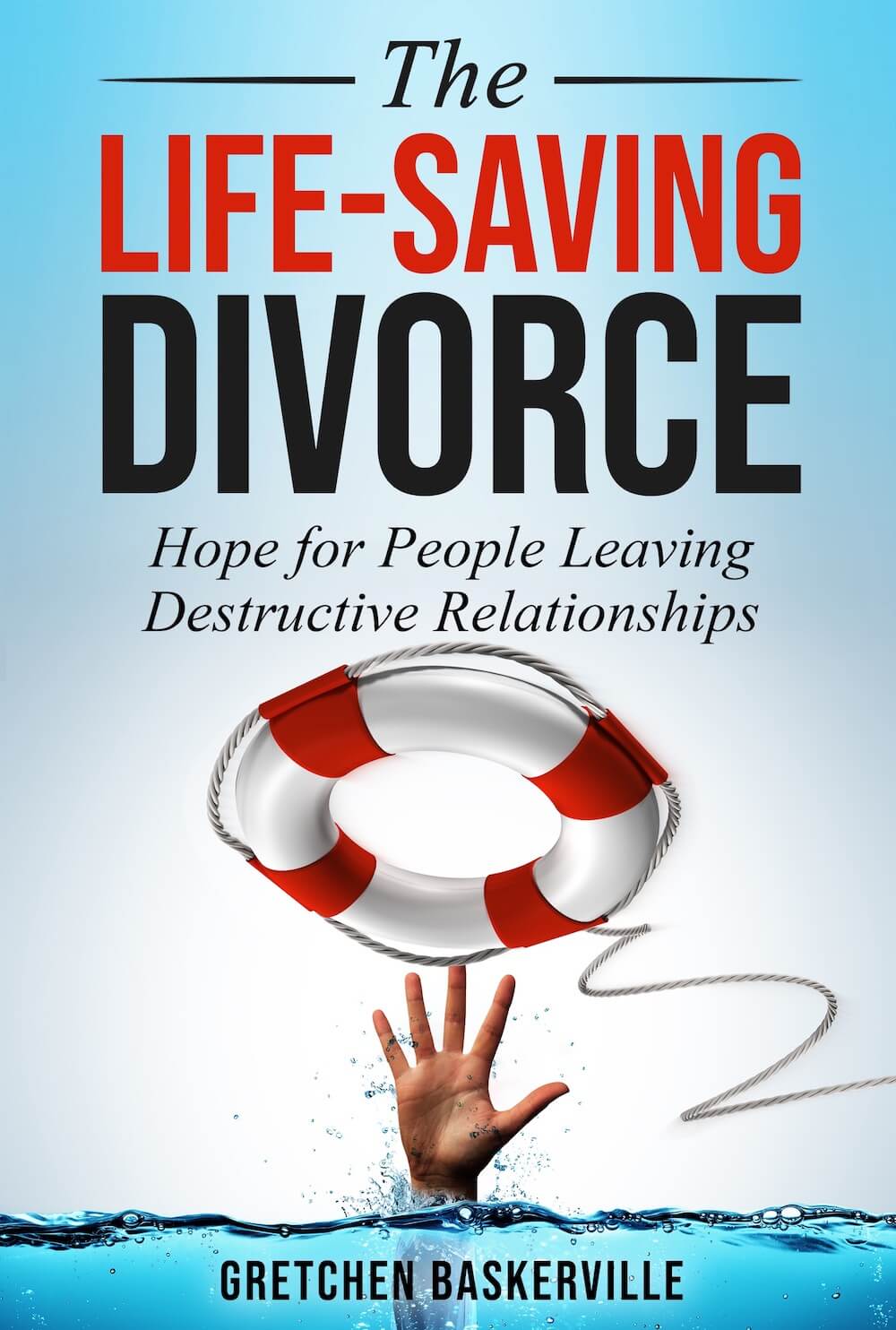
As I explain in The Life-Saving Divorce, leaving an abusive marriage is not rebellion—it’s an act of survival and faithfulness to God’s design for safety and dignity.
“God values people over institutions.”
(https://lifesavingdivorce.com/abuse-in-bible)
Once the abuse ends, healing begins. Parents rebuild trust with their kids. Their faith becomes real and personal again. Homes become peaceful, even if they’re humble. Children notice the difference right away.
“We’re doing great and live in peace now.”
What These Stories Teach Us
When I listen to these stories, I hear both grief and gratitude. The grief is for lost years—the birthdays, holidays, and milestones shadowed by fear. But the gratitude runs deep—for freedom, safety, faith, and healing.
A few parents expressed mixed emotions, noting that if they’d left sooner, they might not have had certain children.
“I wouldn’t trade my kids for anything. But I do wish they hadn’t seen so much pain.”
Another offered a wise caution:
“We shouldn’t tell people to stay because of the what-ifs. Safety has to come first. You can’t predict the outcomes, but you can choose to heal.”
Even with regrets or what-ifs, nearly everyone agreed: staying longer didn’t protect their children—it only delayed the healing.
If You’re Struggling With the Timing
If you’re asking yourself, “Should I wait until my kids are older?” please know you’re not alone, and you’re not wrong for wondering. Every loving parent wrestles with that question. Sometimes disability is a factor. But the overwhelming message from those who’ve walked this path is clear: sooner is safer.
You cannot save a marriage that’s destroying the people in it. And you don’t have to try. God’s heart is for life, freedom, and peace.
“We do the best we can. God’s timing may not feel perfect, but He redeems it all.”
For more stories, biblical insight, and practical help, visit:
- 8-in-10 Christian Families Happy after Divorce (A poll taken in the private divorce group) https://lifesavingdivorce.com/lifeafterdivorce
- Children’s Wellbeing is Higher When Parents Divorce to Find Relief from Abuse https://lifesavingdivorce.com/abuse-and-kids
- Abuse, Adultery, and Abandonment are Biblical Grounds for Divorce: https://lifesavingdivorce.com/abuse-in-bible
- Will God Heal Your Marriage if You Pray Hard Enough? https://youtu.be/eZUjwZSvPeU?si=H4bIHteQ51YnHvzV
 :
:
 :
: Buy PDF