

Luke 13 Shows Jesus Prioritizes Rescue Over Staying in an Abusive Marriage
Jesus Does Not Glorify Endurance in Bondage—He Interrupts It
Luke 13 teaches that when someone is trapped in long-term oppression, Jesus responds with deliverance, not demands for silent suffering. He confronts what is crushing God’s child and calls freedom the morally right outcome.
Luke 13 Confronts Oppression, Not Just Suffering
Many Christians have been taught that God’s highest priority is restoring a marriage—no matter the cost.
But Luke 13:10–16 tells a very different story.
In this passage, Jesus meets a woman who has been bent over and tormented for eighteen years. He does not tell her to endure longer, submit harder, or pray more faithfully while staying in bondage. Instead, Jesus names her condition as oppression—and He sets her free.
He calls her a “daughter of Abraham,” rebukes the religious leaders who minimize her suffering, and declares that she ought to be released:
“Whom Satan has bound… ought she not be loosed from this bond?” (Luke 13:16)
This is rescue language.
Luke 13 shows us that Jesus prioritizes freedom over legalism, compassion over appearances, and deliverance over religious pressure to remain in harmful conditions.
If you are in a marriage marked by abuse, coercion, cruelty, or repeated betrayal, this passage is a profound reminder: God does not ask His children to stay bound. Jesus is the One who loosens chains.
Jesus’ Greatest Divorce Sermon
Jesus said that God intended marriage to be loving and lifelong. But He also acknowledged that divorce was permitted because of the hardness of human hearts (Matthew 19:8).
In other words, some people become so cruel, unrepentant, or unsafe that they cannot be a faithful marriage partner.
That’s why Luke 13 matters so much. It shows Jesus confronting bondage, refusing religious delay, and prioritizing freedom.
“Ought not this woman… whom Satan bound for eighteen years, be loosed from this bond?” —Jesus (Luke 13:16)
Luke 13:10–16 — Jesus Looses Bonds
This is the story of Jesus healing a disabled woman on the Sabbath. You may have heard it before, but this time, notice what Jesus highlights: bondage is not God’s will.
“Now [Jesus] was teaching… And behold, there was a woman… bent over… When Jesus saw her… he said, ‘Woman, you are freed…’ …‘Ought not this woman… whom Satan bound… be loosed from this bond?’”
—Luke 13:10–16 (ESV)
Jesus vs. the Religious Leaders: Who Keeps People Bound?
One of the most striking parts of Luke 13 is the contrast between Jesus and the religious leaders.
The woman has suffered for eighteen years. Jesus frees her immediately.
But the synagogue ruler is indignant. He insists healing should wait. He treats her suffering as an inconvenience.
Luke 13 reveals something profound: Jesus always moves toward rescue and freedom, while oppressive religious systems often protect bondage.
| Religious Leaders in Luke 13 | Jesus in Luke 13 |
|---|---|
| Minimizes suffering and treats oppression as normal | Notices the suffering person and calls them forward |
| Prioritizes rule-keeping over compassion | Prioritizes rescue over legalism |
| Suggests healing can wait | Acts immediately to bring freedom |
| Uses spiritual authority to control | Uses authority to heal and restore dignity |
| Demands endurance of suffering | Declares that freedom is what ought to happen |
Jesus does not spiritualize captivity. He condemns it. He calls it bondage. And He loosens it.
Watch the video, or continue reading the FAQs below.
Frequently Asked Questions About Luke 13 and Abuse
Is divorce biblical when there is abuse?
Yes. Abuse is not a normal marriage struggle—it is oppression and bondage. Luke 13 shows Jesus naming bondage as satanic and prioritizing release. God permits divorce because of hardheartedness (Matthew 19:8), and He does not require victims to remain trapped in harm.
For more, see Abuse is Biblical Grounds for Divorce.
What does Luke 13 have to do with abusive marriages and divorce?
Luke 13 is not directly a divorce passage, but it reveals Jesus’ priorities: compassion over legalism, rescue over delay, and freedom over religious control. That is why it applies so powerfully to destructive marriages—Jesus does not glorify suffering; He loosens bonds. It also shows us His anger with religious leaders who block rescue efforts.
Does God want me to stay in an abusive marriage?
No. Luke 13 shows Jesus calling bondage what it is and loosening it. God does not require His children to remain trapped in harm for the sake of appearances or religious pressure. See also The Bible calls us to Run From Abusers.
What if my spouse promises to change?
Change requires consistent repentance, accountability, and safety—not emotional pleas or temporary remorse. Luke 13 shows Jesus freeing the oppressed immediately, not asking them to wait indefinitely while leaders protect the status quo.
You may find this helpful: Is Marriage an Unconditional Covenant?
Is leaving ever a godly choice?
Yes. Jesus prioritized rescue over legalism. Freedom is not rebellion—it is often the most faithful response to oppression, harm, and hardheartedness.
For more on spiritual pressure to stay, see Malachi and “God Hates Divorce” Misuse.
What does Jesus do with the oppressed?
He notices them. He calls them forward. He restores dignity. And He confronts the hardhearted leaders who minimize suffering.
What if church leaders tell me to endure?
Jesus rebuked leaders who demanded delay and endurance while someone remained bound. Religious control is not the voice of Christ.
See Abuse and Kids for why safety must come first.
Does Jesus Love Your Marital Status More Than He Loves You?
Let me ask you something: Does Jesus love your marital status more than He loves you and your children?
If you are being tormented by a hardhearted spouse who has no conscience and no care for your wellbeing, you can make a choice. You can defy spiritual control.
Jesus is calling. You can walk toward Him, be set free, and bring glory to God.
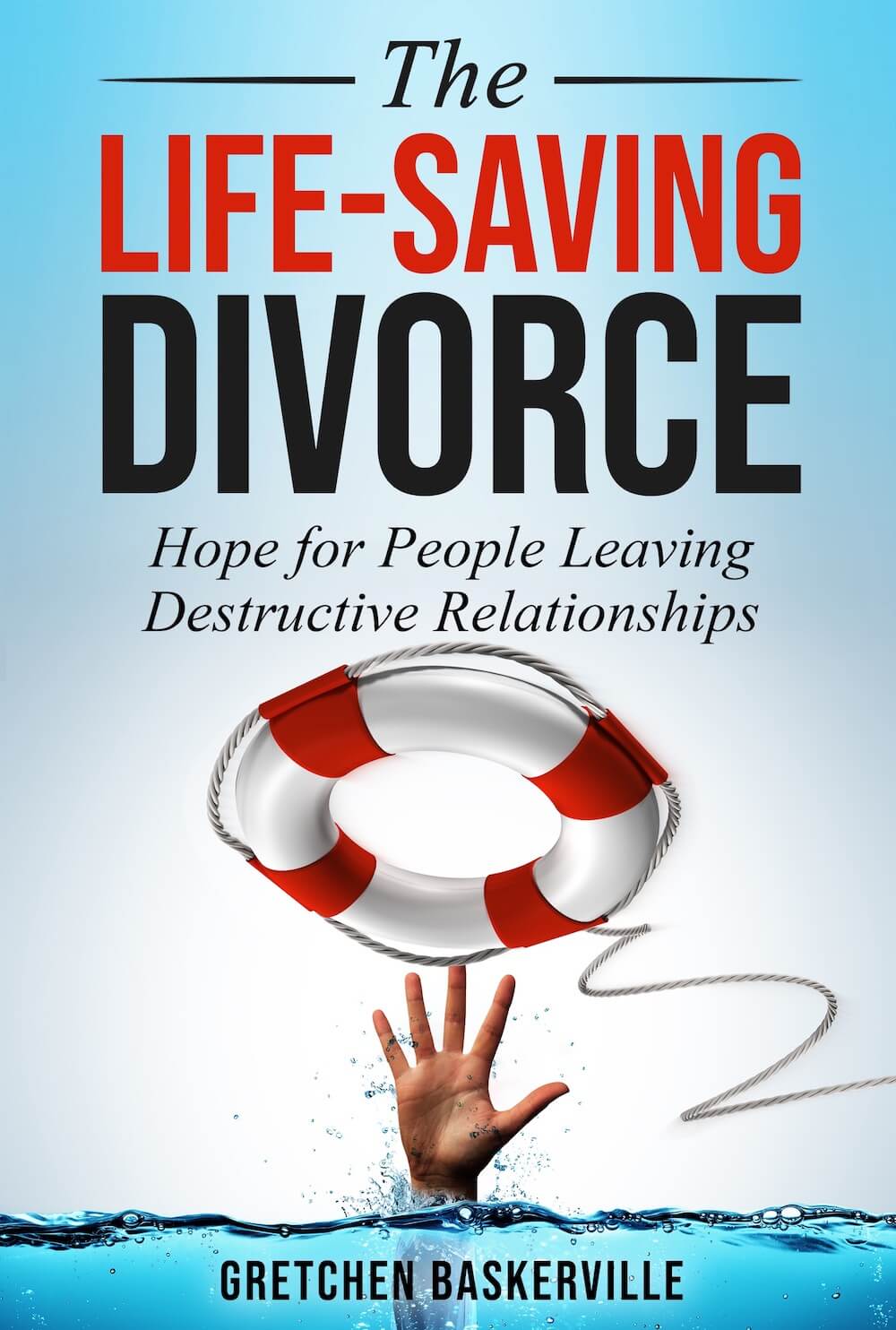
If you’re in bondage and want to reach to Jesus for freedom, see Chapter 5 in
The Life-Saving Divorce.
 :
:
 :
: Buy PDF