

Divorce Basics: Ask a Paralegal, Laura Hauser
This conversation is general information, not legal advice. Family law varies by state, so please talk with an attorney licensed where you live.
When you are facing divorce, especially after abuse, betrayal, addiction, or intimidation, the legal system can feel overwhelming. That is why I asked my friend Laura Hauser, a Texas paralegal, to walk us through divorce basics in plain English.
In this one-hour video, we talk about choosing an attorney, documenting your parenting and safety concerns, what may be “discoverable” in court, social media, hacked devices, psychiatric medications, changing locks, and what to do when your spouse looks calm and convincing in public.
Key Insights and Timestamps
Use these timestamps to jump to the parts of the conversation that matter most to you.
- 00:40 — Where do I start if I’m thinking about divorce?
- 01:00 — Start a notebook labeled “Notes for My Attorney.”
- 01:50 — What kinds of documents, calendars, records, and journals may be “discoverable” in court.
- 03:20 — How to interview attorneys and what to look for.
- 05:00 — How to prepare for your first attorney meeting and keep costs down.
- 07:20 — Documenting your parenting time and daily child-care responsibilities.
- 08:00 — Gathering third-party backup from teachers, coaches, youth leaders, and others.
- 10:50 — Creating a witness list of people who know your story.
- 12:30 — Mental health treatment and how courts may view it.
- 14:00 — How to document abuse that does not leave bruises.
- 17:00 — What if your spouse looks calm, charming, or credible in court?
- 20:45 — Courts need evidence; they do not simply take one person’s word against another’s.
- 22:20 — What to tell the kids.
- 23:40 — Co-parenting with an abuser and saving hostile texts, emails, and voicemails.
- 26:30 — When to call 911 for threats, harassment, stalking, child abuse, or other criminal behavior.
- 30:15 — Can I change the locks?
- 31:30 — Can I take money out of a joint bank account?
- 32:50 — Can I pay attorney fees from a joint bank account?
- 34:30 — Online safety: creating a separate email for your attorney.
- 35:00 — Hacking, tracking, email access, and subpoenas.
- 36:15 — Should I get off social media or delete embarrassing posts?
- 37:15 — Dating, flirting, and online relationships during divorce.
- 38:00 — Can private Facebook group comments be subpoenaed?
- 39:30 — Should I post evidence of abuse on social media?
- 40:30 — How to know if you are being hacked or tracked.
- 43:20 — Should I file first?
- 43:50 — Can a spouse stop divorce by avoiding process servers?
- 45:50 — What if your spouse injures one of your children?
- 46:30 — Guardian ad litem, amicus, and cooperating with the custody process.
- 49:00 — Forensic psychological evaluations and custody concerns.
- 56:50 — Will the judge give emotional support or moral vindication?
- 57:50 — Adultery and possible financial implications.
- 1:03:40 — Building credit during divorce when family helps with legal fees.
Where Do I Start If I’m Considering Divorce?
Laura’s first suggestion is simple: before you meet with an attorney, start a notebook labeled “Notes for My Attorney.” Use it to write down dates, incidents, expenses, parenting schedules, concerning behavior, and questions you want to ask.
If you are in a destructive or high-conflict situation, documentation matters. You may also find my post 12 Ways to Document and Protect Yourself & Kids in a Divorce helpful.
How Do I Prepare for the First Attorney Meeting?
Make it easy for your attorney to understand your situation. Bring a short timeline, a list of major concerns, financial basics, and questions about what to do next. Tell your attorney the whole truth, even the parts that embarrass you. Surprises usually cost more later.
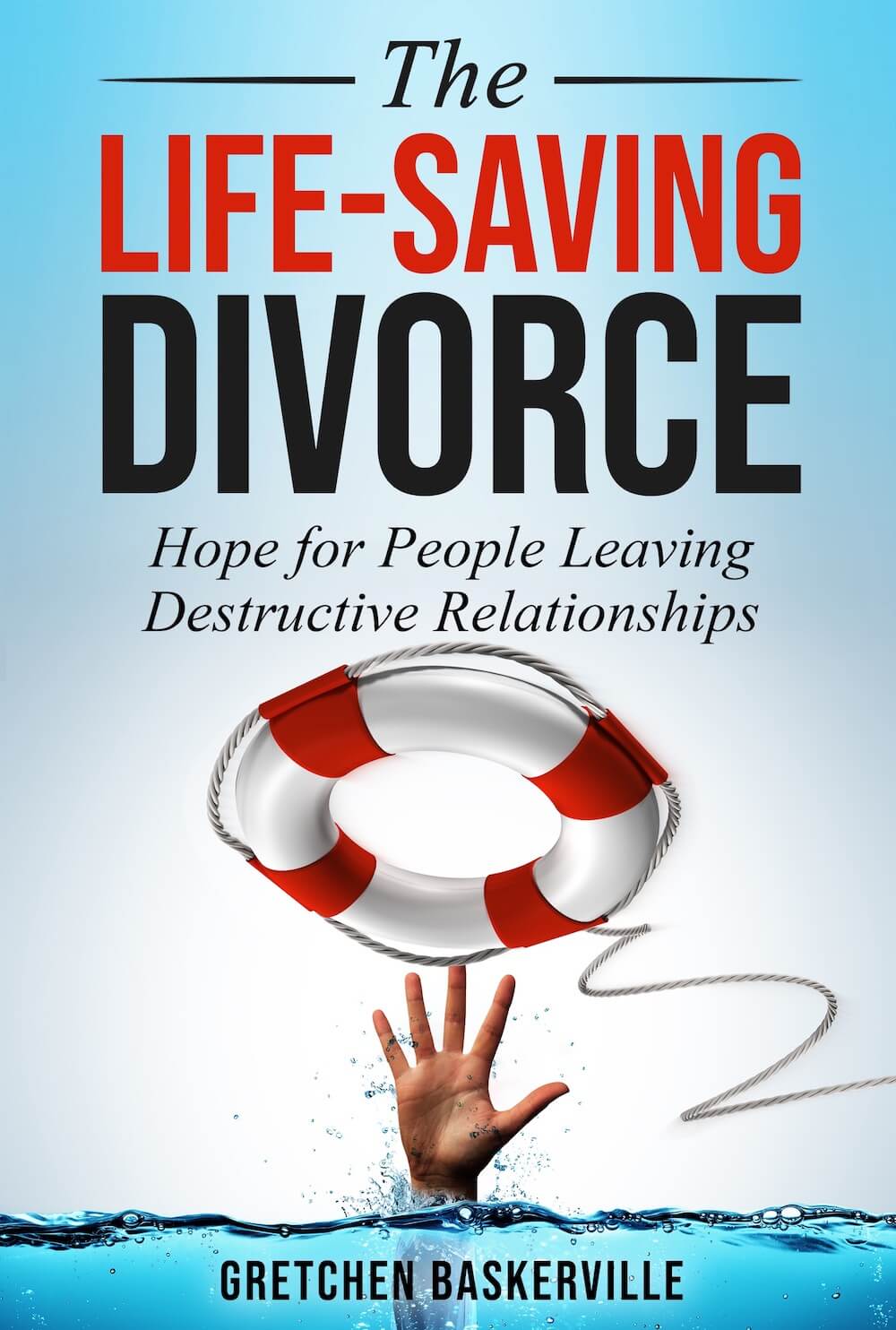
For a broader safety and planning checklist, read Escape Plan: 50-Item Checklist. For more on this, see chapter 5 in The Life-Saving Divorce.
What About Bank Accounts, Attorney Fees, and Locks?
Do not guess. Ask your own attorney before moving money, changing locks, or making major financial decisions. What seems “fair” to you may look different in court, especially if temporary orders are already in place.
How Do I Document My Parenting?
If children are involved, courts often want evidence about who provides daily care. Write down school involvement, doctor appointments, homework help, meals, bedtime routines, transportation, coaching, church activities, and special needs.
Third-party support can also matter: teachers, coaches, youth leaders, neighbors, doctors, and others who have seen your parenting or your spouse’s behavior. If you are preparing for custody discussions, see How to Prepare for a Mandatory Divorce Parenting Class and 12 Tips for Talking with Alienated Kids.
Will Mental Health Treatment Be Used Against Me?
Many good, responsible people seek counseling or take medication during trauma, grief, depression, or anxiety. Do not hide this from your attorney. A pattern of getting appropriate help may be very different from untreated, dangerous, or unstable behavior.
If your spouse calls you “crazy,” stay calm and keep records. Courts generally need evidence, not just accusations.
What If the Abuse Doesn’t Leave Bruises?
Emotional abuse, coercive control, financial abuse, threats, stalking, intimidation, and harassment can be devastating even when no one has been physically hit. If this is your situation, read But He Never Hit Me: Divorce for Neglect, Emotional, and Financial Abuse and 130 Examples of Abuse.
Christians often feel guilty for naming abuse. But telling the truth is not bitterness. Bringing hidden things into the light can be part of wisdom, safety, and justice.
What About Social Media, Email, and Phones?
Assume texts, emails, social media posts, photos, private group comments, and voicemails may become part of the case. Do not delete evidence without asking your attorney. Do not post online to “prove” your case. Save hostile messages and let your legal team advise you.
If you suspect tracking, spyware, account access, or GPS devices, use a safe device and ask a qualified professional for help.
Can My Spouse Fool the Judge?
Sometimes destructive people look wonderful in public. That is why documentation, witnesses, records, and calm communication are so important. The goal is not to get emotional vindication from court. The goal is to present evidence clearly and protect yourself and your children.
When Safety Comes First
If there are threats, stalking, child abuse, assault, or immediate danger, call 911 or your local emergency number. If counseling is involved, make sure it is safety-first, not marriage-first. Read Safety-First vs. Marriage-First Counseling.
And please remember: God sees what is hidden. “The Lord is close to the brokenhearted and saves those who are crushed in spirit” (Psalm 34:18, NIV).
Helpful Related Posts
- What Is a Life-Saving Divorce?
- Can Christians Divorce for Abuse?
- Adultery, Abuse, Abandonment Are Biblical Grounds for Divorce
- Does God Hate Divorce? What Malachi 2:16 Really Says
- New Study Shows Kids of Divorce Rarely Face Teen Pregnancy, Jail, or Early Death
Do You Need Support? I’d like to invite you to my private Facebook group, Life-Saving Divorce for Separated or Divorced Christians. Please answer the three questions when you request to join. This is a group for women and men of faith who have walked this path or are considering it.
 :
:
 :
: Buy PDF