

Here’s Why That Misery Message Persists—Even When the Data Says Otherwise
I often hear church leaders and Christian organizations repeat a familiar warning: Divorced people are miserable. They’re unhappy. They “take their problems with them.”
That message doesn’t just sting—it can trap people in shame, and sometimes even in unsafe marriages, because they’re told the alternative is a lifetime of regret.
But the story changes when we look at actual data.

GSS 2024 data: 75% of divorced adults report being “pretty happy” or “very happy” (59% + 16%). Source: General Social Survey (NORC).
The General Social Survey (GSS) 2024—one of the most respected long-running surveys of U.S. adults—shows that among divorced respondents, about 75% report being either “pretty happy” or “very happy.” You can explore the exact dataset here:
https://gssdataexplorer.norc.org/trends?category=Gender%20%26%20Marriage&measure=happy&Measure%20Category=Very%20happy&Breakdown%20Label=Total
Does that mean divorce is easy? No.
Does it mean everyone is instantly fine? Also no.
It means the blanket claim—“Divorce makes people miserable”—is false.
What about the people who are not happy?
Yes, some people are truly struggling after divorce.
- Illness.
- Post-divorce harassment.
- Financial hardship.
- Feeling devastated about time away from their children.
Those are real burdens, and I don’t minimize them.
But we also need to stop acting like the hardest stories are the only stories.
Many people feel relief. Many recover. Many rebuild. Many become healthier than they were when living in chronic fear, chaos, or betrayal.
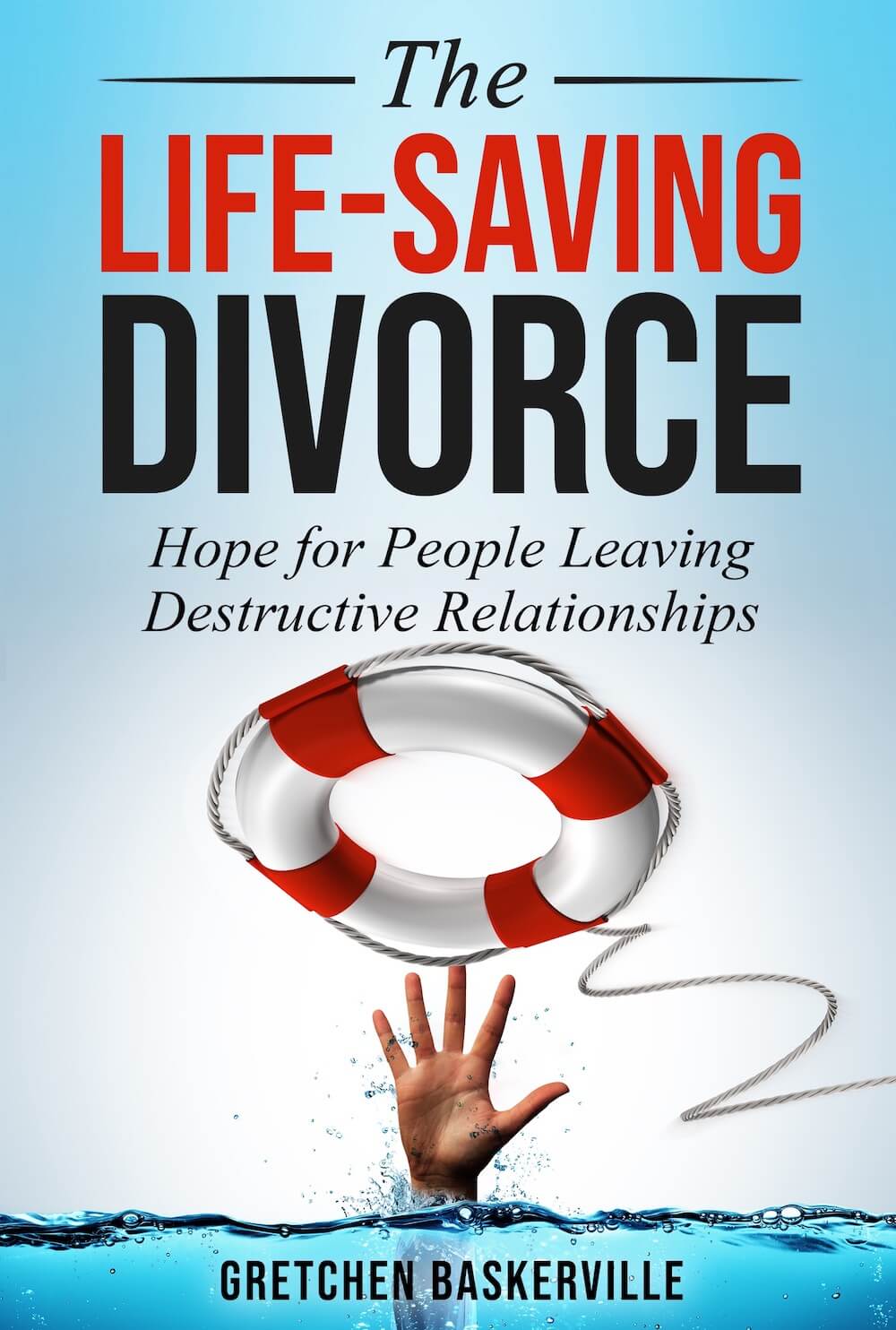
That’s why, early in The Life-Saving Divorce, I included this line from a survivor:
“I wish I had heard messages from the church saying you can be healthy as a divorced person.”
Because too many churches preach the opposite: that health and happiness after divorce are suspect—like they prove the divorce was selfish.
“They take their problems with them”
Sometimes Christians say this as if divorce is just a costume change: same sin, new address.
But here’s what that ignores: people don’t leave healthy marriages on a whim. Many of the folks I interact with tried for years—prayer, counseling, accountability, books, pastoral guidance, “doing everything right.” Some were actively enduring destructive patterns that were harming their mind, body, and children.
If someone leaves a destructive marriage and later reports they’re happier, the most obvious explanation isn’t that they’re shallow.
It’s that they finally got out of a situation that was crushing them.
A word of biblical comfort
Psalm 34:18 says, “The LORD is close to the brokenhearted and saves those who are crushed in spirit.”
God is not repelled by a broken marriage. God is near to the person who is crushed. And God’s heart is not to shame survivors into silence, but to bind up wounds and lead them into safety and peace.
If you’re divorced
If you’re in the messy middle—grieving, recovering, trying to rebuild—please don’t let doom-and-gloom church messaging define your future. The GSS data shows many divorced people do end up okay.
And if you’re doing well? You don’t need to apologize for healing.
For more on rebuilding a stable, hopeful life after a destructive marriage, see chapter 10 in The Life-Saving Divorce.
Where would you put yourself today—very happy, pretty happy, or not too happy?
Let me know on Facebook: https://www.facebook.com/LifeSavingDivorce/posts/pfbid02NtkLGQdnDtzq2xHTSJqpSc5AAU8j89AXPQHRDw2aoHaw8W99xi2jZ2HLZW63UohUl
 :
:
 :
: Buy PDF