
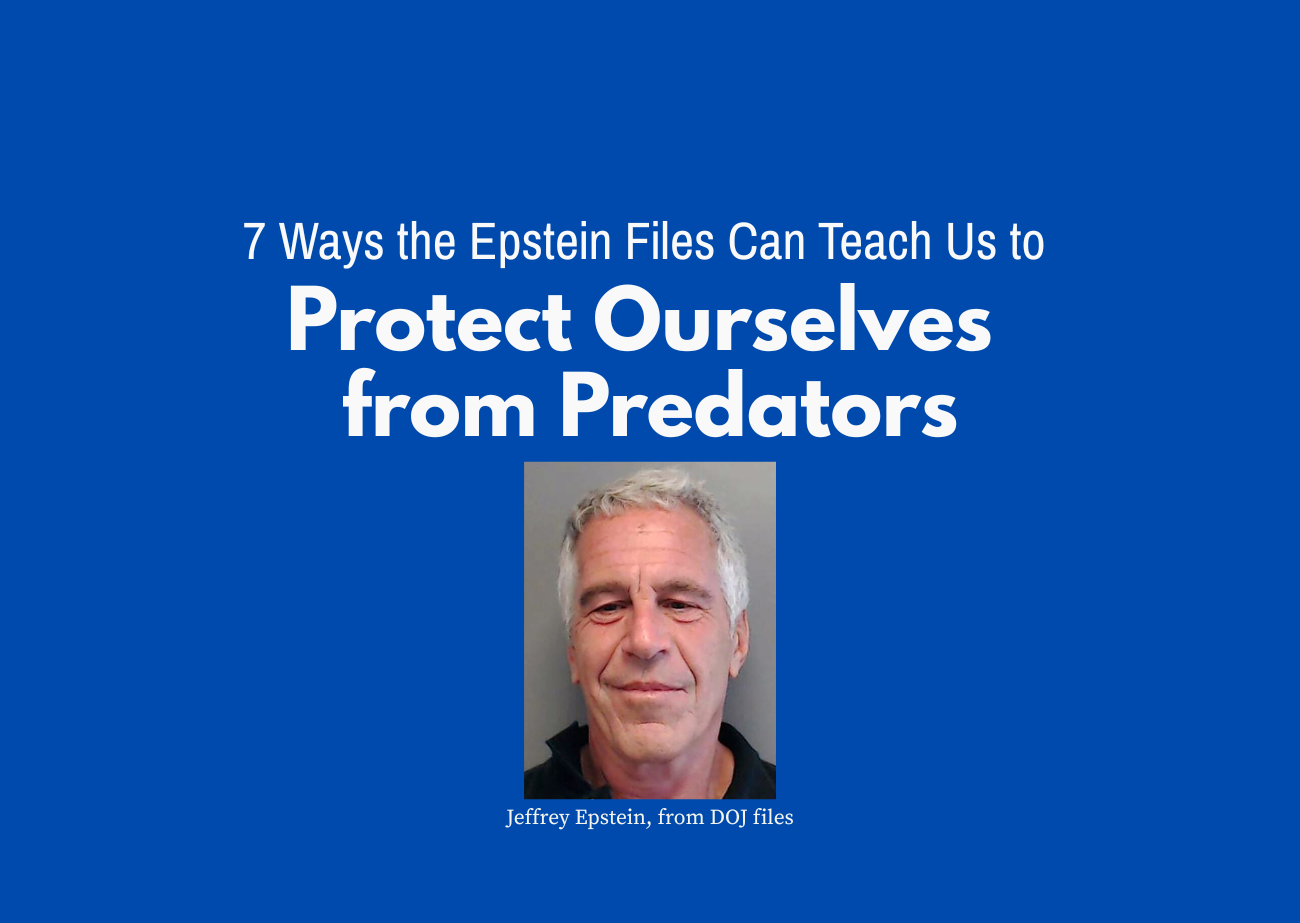
7 Ways the Epstein Files That Can Teach Us to Protect Ourselves from Predators
“I am sending you out like sheep among wolves. Therefore be as shrewd as snakes and as innocent as doves.” —Matthew 10:16, NIV
Notice Jesus did not say, “Pretend wolves are rare.” He did not say, “Assume everyone in religious circles is safe.” He said wolves exist, and his people must be both innocent and shrewd.
Shrewdness is not cynicism. It is protection.
1. Learn Coercive Control
Coercive control is not just physical violence. It is a pattern of domination: isolation, intimidation, surveillance, threats, financial control, sexual pressure, reputation attacks, spiritual manipulation, and making the victim feel trapped.
Many victims do not recognize coercive control while it is happening because it often starts subtly. The person may seem generous, brilliant, spiritual, wounded, misunderstood, or unusually interested in helping.
But the goal is not love. The goal is control.
Learning to recognize coercive control is one of the most practical ways to protect ourselves and our children.
2. Watch for Charm Plus Secrecy
Charm is not character.
Predators often cultivate an image of generosity, brilliance, compassion, or spiritual depth. They may fund good causes, quote Scripture, support charities, host important people, or present themselves as champions of the vulnerable.
But behind the charm is secrecy.
Be cautious around people who want private access, private conversations, private trips, private “mentoring,” or private spiritual authority—especially with children, teens, abuse survivors, financially vulnerable people, or those desperate for approval.
Healthy people do not need secrecy in order to do good.
3. Do Not Let Religion Become a Tool of Control
Predators can weaponize Christian beliefs, even if they personally aren’t religious. They may use forgiveness to silence victims. They may use purity teachings to create shame. They may use submission to demand obedience. They may use “honor” to protect abusers. They may use “unity” to stop truth-telling.
But biblical faith does not require victims to protect predators.
Forgiveness does not erase accountability. Honor does not require access. Compassion does not cancel protection. Repentance requires truth. And love does not rejoice in evil.
Any theology that makes victims easier to exploit is not good news. It is good news for predators.
4. Take Reputation Management Seriously
One of the most revealing things about predatory people is how much energy they spend managing their image.
They may fear exposure more than consequences. They may not stop because they feel remorse. They may stop only when their reputation, access, money, or status is threatened.
That means truth-telling matters.
Reporting abuse is not revenge. Warning others is not bitterness. Documenting patterns is not gossip. Protecting children is not cruelty.
Sometimes the only boundary an abuser respects is public accountability.
5. Believe Patterns, Not Performances
Predators can sound convincing. They can cry. They can apologize. They can quote Scripture. They can talk about trauma, grace, redemption, and second chances.
But the question is not, “Did they sound sorry?”
The question is: Have they stopped? Have they confessed fully? Have they made restitution? Have they accepted consequences? Have they given up access to victims? Have they stopped attacking truth-tellers?
A performance is not repentance.
6. Protect Access to Children
Children and teens need adults who are willing to be “difficult.”
Ask questions. Google names. Check references. Require accountability. Do not allow secretive mentoring relationships. Do not be impressed by status. Do not assume conservative or Christian spaces are automatically safe.
Predators look for access. Parents and churches must be willing to block it.
7. Listen to Victims Early
Many predators continue because victims are dismissed, shamed, threatened, or told to forgive before anyone investigates.
When victims speak, we should not rush to protect the institution, the leader, the family name, or the accused person’s reputation. We should listen carefully, document, report when appropriate, and prioritize safety.
The cost of disbelief can be devastating.
Christian wisdom is not naïve. It tells the truth about evil. It protects the vulnerable. It refuses to hand predators spiritual language they can use as camouflage.
Be innocent, yes.
But also be shrewd.
Recommended Reading
If this topic resonates with you, these articles may help you recognize coercive control, spiritual manipulation, abuse dynamics, and safety-first responses:
- 130 Examples of Abuse: Physical, Emotional, Sexual, Spiritual, Financial and Neglect
- Can I Divorce for Abuse? Can Christians Divorce for Abuse?
- But He Never Hit Me: Divorce for Neglect, Emotional, and Financial Abuse
- Safety-First vs. Marriage-First Counseling
- The Bible Teaches Us to Get Away from Abusers
- 12 Ways to Help a Christian Who is Being Abused by Their Spouse
- 12 Ways to Document and Protect Yourself & Kids in a Divorce
- “Why Didn’t You Just Leave?” 50 Abused Wives & Husbands Explain
- Pastor Education: How to Respond Biblically to Abuse and Betrayal in Marriage
- Good vs. Bad Pastoral Counselors: Marital Abuse
 :
:
 :
: Buy PDF