
When a Marriage Looks Fine but Is Quietly Destroying You
Sometimes the marriage that looks “fine” from the outside is slowly crushing the person living inside it. Not because they are merely unhappy. Not because marriage is hard. But because secrecy, chronic fear, coercion, neglect, betrayal, manipulation, or relentless emotional strain are wearing down their mind, body, spirit, and ability to function.
But appearances can lie.
Sometimes the marriage that looks “fine” from the outside is slowly crushing the person living inside it. Not because they are merely unhappy. Not because marriage is hard. But because secrecy, chronic fear, coercion, neglect, betrayal, manipulation, or relentless emotional strain are eating away at their peace, clarity, strength, and ability to function.
If you lived in a marriage like that, you were not shallow. You were not overreacting. And you were not “just struggling to be content.”
You were being harmed.
And for many people, that harm is not only emotional or spiritual. It shows up in the body too. Chronic stress in a destructive marriage can leave you exhausted, foggy, sleepless, anxious, jumpy, depleted, sick to your stomach, or constantly bracing for the next wave of tension. Sometimes your body knows you are not safe long before you have words for what is wrong.
When “Fine” Is Not Fine
One of the great confusions in Christian culture is that we often compare only two categories: a happy marriage and a high-conflict marriage. If there is no screaming, no visible drama, and no obvious violence, people assume the marriage must be basically healthy.
But that is not true.
A home can be quiet and still be toxic. A marriage can look stable and still be deeply destructive. Sometimes the marriage appears calm only because one spouse is working constantly to manage the fallout of the other spouse’s secrecy, betrayal, irresponsibility, coercion, or neglect.
That is not a healthy marriage.
And it is not the same thing as a merely disappointing one.
There is a major difference between a marriage that is hard and a marriage that is harmful. Too many Christians have been taught to flatten those categories and respond to all marital pain with the same advice: pray more, submit more, try harder, stay quiet longer. But a disappointing marriage is not the same thing as a destructive one.
The Damage Shows Up in the Body
Destructive marriages often damage physical health as well as emotional and spiritual health. The body may carry what the mouth has not yet learned to say. Sleeplessness, chronic stress, fatigue, brain fog, digestive problems, anxiety, dread, and physical depletion are not signs that you are weak. They may be signs that the marriage is taking a serious toll.
Why So Many People Cannot Explain What Is Wrong
Many survivors stay confused for years because they do not have words for what they are living through. They think abuse must always be loud. They think danger must be obvious. They think if they have not been hit, then maybe they are exaggerating.
But hidden harm is still harm.
A marriage does not have to look dramatic to be destructive. It may involve emotional abuse, coercive control, chronic deception, severe neglect, sexual betrayal, financial sabotage, spiritual manipulation, or a constant atmosphere of tension and fear. Sometimes seeing a fuller list of patterns helps people realize they are not imagining things. See 130 Examples of Abuse: Physical, Emotional, Sexual, Spiritual, Financial and Neglect.
Why Christians Miss It
Many Christians have been trained to hide damage especially well. We want our lives to look like a good advertisement for Christianity. We have been taught not to admit confusion, brokenness, or pain. We learn to keep smiling, keep serving, keep protecting the image, and keep absorbing the cost.
That performance can keep a destructive marriage looking respectable long after it has become unbearable.
And sadly, some churches still respond badly when a spouse finally tells the truth. Instead of asking whether the home is actually safe and healthy, they focus on preserving appearances, avoiding scandal, or pressuring the suffering spouse to “try harder.” If that has happened to you, you may find help in Good vs Bad Pastoral Counselors: Marital Abuse.
What About the Children?
Children may not know the facts. They may not see the betrayals. They may be too young to understand the words. But they often live inside the tension. They breathe in the fear. They feel the strain. They learn to walk on eggshells. They absorb the dishonesty, the depletion, the confusion, and the false normal.
That is why this subject matters so much. Children in high-distress homes are not being protected simply because the family looks intact. A home can be quiet and still be deeply damaging. A marriage can look stable and still teach children fear, denial, emotional deadness, and image management.
For more on that, see Is it Always Best to “Stay for the Kids”? No, Not If the Home is Toxic.
What Do You Call a Marriage Like This?
So what do you call a marriage that looks fine from the outside but is killing you on the inside?
You call it what it is: destructive.
You do not need the perfect label before you tell the truth.
You do not need visible bruises before you admit you are being harmed.
You do not need public drama before you acknowledge that secrecy, fear, betrayal, and relentless strain are damaging you and your children.
And you do not have to keep proving your pain to people who only know how to recognize loud dysfunction.
A Word of Biblical Comfort
God is not asking you to pretend. He is not honored by false peace, forced smiles, or the slow destruction of a spouse who has spent years covering for someone else’s sin. Truth matters. Safety matters. Your wellbeing matters. God hates abuse, and hidden harm does not become holy just because it is quiet.
If your marriage looked fine from the outside, but you felt yourself getting smaller, weaker, sicker, more confused, and less alive inside it, that does not mean you were selfish.
It may mean the marriage was far more dangerous than anyone knew.
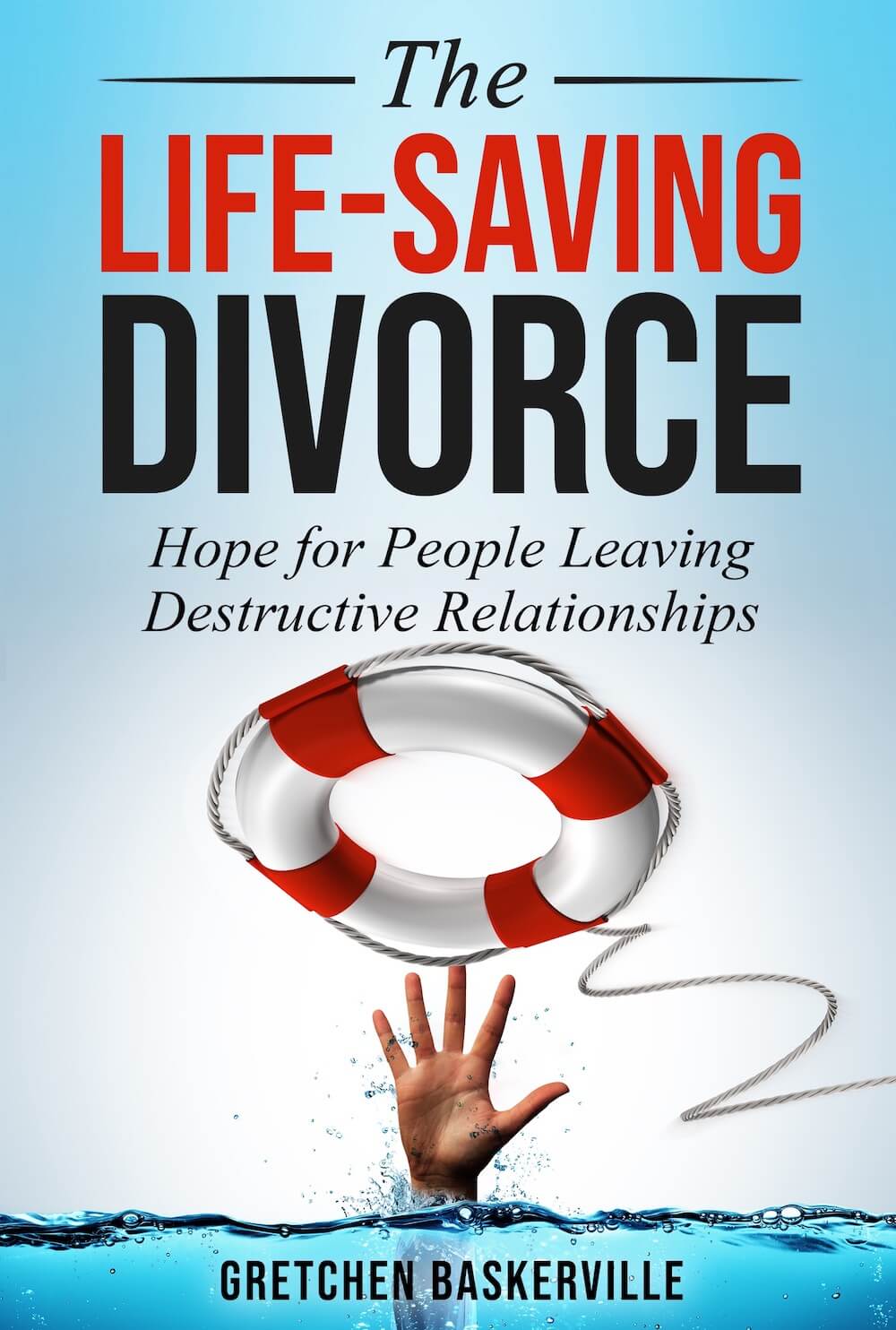
For more on this, see chapter 7 in The Life-Saving Divorce.
 :
:
 :
: Buy PDF