

How Can I Afford to Divorce?
When people ask me, “How can I afford to divorce?” I hear the fear underneath it: I finally see that I may need to leave, but I do not have the money to do it.
That fear is real. And for many of us, the first answer is not a second job or a miracle windfall. It is our half of the marital money that already exists.
In the Facebook discussion that inspired this post, people offered personal stories of how they paid for divorce in all kinds of ways: by taking their share of checking or savings before it disappeared, borrowing from family, using joint credit cards, cashing out retirement, by selling a vehicle or trailer, getting help from churches or friends, using proceeds from the home, taking extra work, or finding lower-cost legal help.
That range matters. It means there is not just one path.
What Nolo Press’s Divorce Guides Say About Taking Your Share
Nolo is a long-running legal self-help publisher that explains legal issues in plain English. Their value here is not in telling abused spouses to keep walking on eggshells. Their value is in explaining the legal mechanics clearly.
If you take money before filing, keep “extremely careful records” and “Don’t take more than half.”
Nolo’s Practical Tips
- Before filing, you may be able to take half of joint funds.
- Keep careful records of what you withdrew and how you used it.
- Put the money in a separate account in your own name.
- Do not take more than half.
- Do not touch assets that may be your spouse’s separate property.
- You may be able to withdraw from or borrow against your own retirement account.
- After papers are filed, courts often restrict both spouses from moving jointly owned money or property.
- If you and your spouse agree on using or dividing money, write the agreement down.
- If you take more than your share, you may have to account for it and pay it back later.
In other words, this is not about avoiding your spouse’s anger. This is about acting lawfully, strategically, and early enough not to be stripped bare.
Here are my favorite (and as of 2026, most up-to-date) guides:
What Bill Eddy Says About Paying Legal Fees
Bill Eddy is a family lawyer, mediator, and therapist who has written helpfully about high-conflict divorce in his book SPLITTING, on divorcing a narcissist. He notes that people often fund divorce with whatever resources they can access first.
Some people “take out a loan,” others “use a credit card,” and “the cost of the attorney should not be the deciding factor.”
Bill Eddy’s Practical Tips
- Use available resources such as a loan, retirement funds, or a credit card.
- Ask whether the higher-earning spouse may be ordered to pay more of the professional costs.
- Talk with an attorney about how to lawfully set aside funds before separation, if that fits your situation.
- Do not choose an attorney based on price alone.
- If full representation is out of reach, a strong consulting attorney may be better than going completely alone. Read about a la carte legal services here.
That last point matters. A bad cheap attorney can do real harm. Paying a competent lawyer for strategy, document review, and key filings may be far wiser than handing your case to someone sloppy just because they are inexpensive. Accuracy on forms matters.
How to Choose a Divorce Attorney
When you interview an attorney, find out if that person…
• “Has experience in your court: Your attorney should know the judges and what to expect in their court rooms. There is some variation among countries, so find a local attorney who knows the local rules and is respected by your judge.”
• “Is easy to communicate with: your attorney should be open to your input and concerns and plan to work closely with you in handling surprises and legal maneuvers.”
• “Understands difficult personalities in family court cases: while you may not find an attorney with specific knowledge of borderline personality and narcissistic personality traits, some are better than others at handling common manipulations and false statements.
“Few attorneys recognize and understand personality disorders. They simply view blamers as jerks, liars, or incredibly frustrating opponents.”
“If you find an attorney who is experienced in your court, is easy to communicate with, is open minded, returns your phone calls, and is willing to share decision making with you, you may be able to educate him on personality issues. Keep in mind that most family law attorneys are reluctant to take potentially high conflict cases, because blamers drain their energy too.” —Bill Eddy, SPLITTING, p. 136
What I Tell Readers in The Life-Saving Divorce
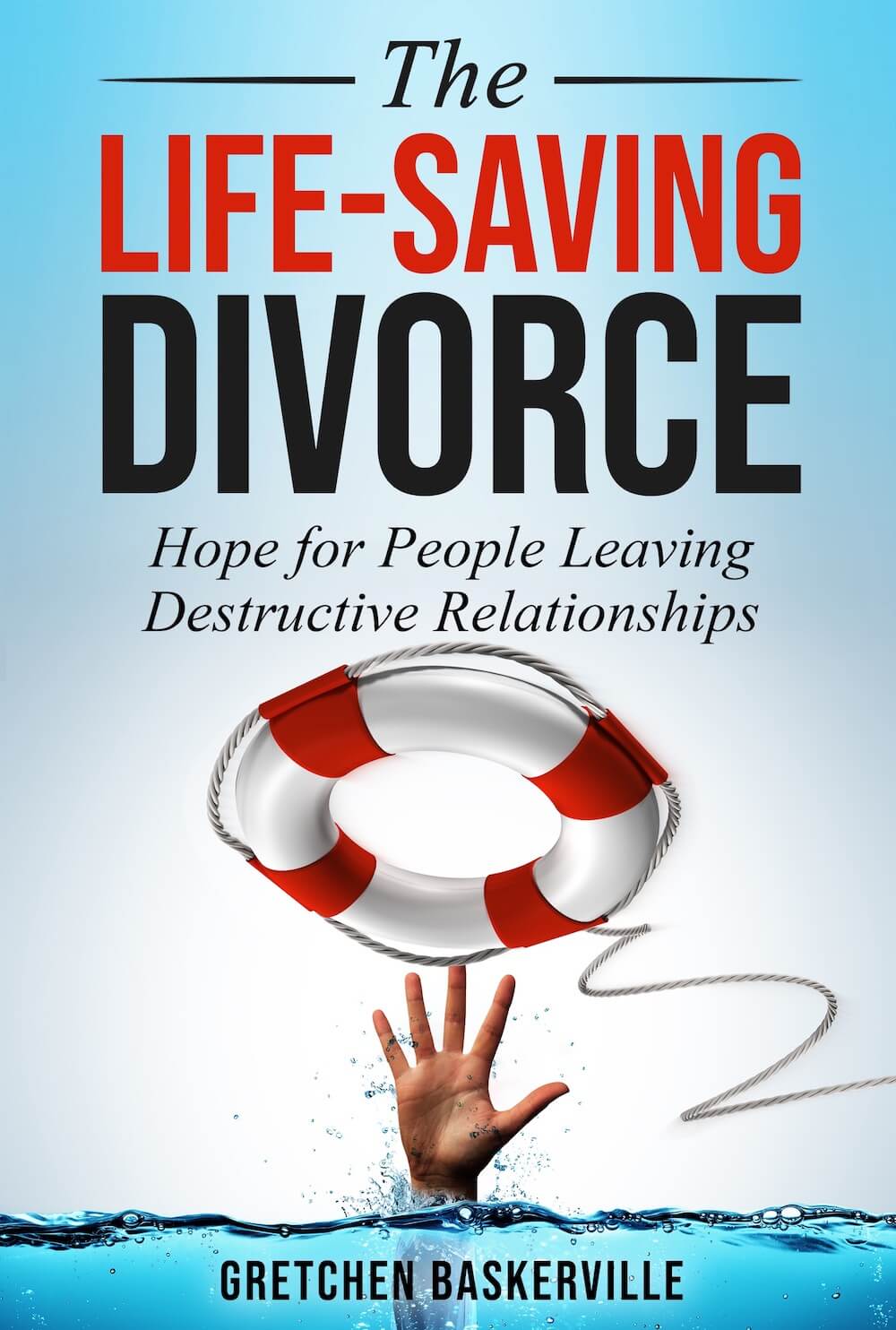
In The Life-Saving Divorce, I urge readers to gather financial information before possible separation, when it is safe to do so. That includes checking and savings statements, retirement information, tax returns, income records, credit card statements, and household expenses. Here’s a helpful list of documents to gather before divorce.
Why? Because sometimes the first breakthrough is not money in hand. Sometimes it is finally knowing what money, debt, and documents exist.
Start With the Most Obvious Sources
- Your half of liquid marital funds, which typically means checking and savings accounts, money market. Then look at items such as vehicles and other valuables.
- Trusted family help or a temporary personal loan.
- Equity in the house through sale proceeds, refinance, a home equity loan, or a lien arrangement.
- A good attorney used strategically.
- A consulting attorney if full representation is out of reach.
- Credit cards or retirement funds, if necessary and lawful.
- Extra work, side income, bonuses, or selling personal items.
For many people, the first source of divorce money is not a fundraiser or a second job. It is their half of the marital cash that is already there.
Do Not Wait for Perfect Clarity
You may not know today how you will pay for the entire divorce.
But you may be able to solve the next piece: the retainer, the consultation, the safe account, the copied records, the first wise legal conversation.
As I wrote in The Life-Saving Divorce, “When we project our fears out into the future, we always forget to project God’s mercy and power into the future at the same time.”
One step is not the whole staircase.
For More Help
For more on this, see chapter 10 in The Life-Saving Divorce.
Related Reading
- 12 Ways to Document and Protect Yourself & Kids in a Divorce
- The Bible Teaches Us to Get Away from Abusers
As an Amazon affiliate your purchase provides me with a small percentage.
 :
:
 :
: Buy PDF