

Will I Be Charged With Kidnapping If I Leave With the Kids? What Parents Need to Know
One of the least discussed fears facing protective parents is the fear of being accused of “kidnapping” their own children.
For many parents trying to leave an abusive or controlling relationship, the threat sounds like this:
“If you take the kids and leave, I’ll call the police.”
“You’ll lose custody.”
“You’ll go to jail.”
“No judge will ever let you see them again.”
When the other parent is a police officer, attorney, military member, or someone with institutional authority, the fear can feel even more overwhelming.
And sadly, many protective parents stay—or leave without their children—because they believe the threat.
Why This Threat Works
Judith Herman, MD, trauma psychiatrist, explains that trauma and coercive control create fear, confusion, and self-doubt. After prolonged intimidation, many survivors lose confidence in their own judgment.
Leslie Vernick, relationship counselor, describes emotionally destructive relationships as systems built on control, punishment, intimidation, and fear rather than mutual respect.
Bill Eddy, family lawyer/therapist, writes extensively about high-conflict personalities who use threats, intimidation, false allegations, and fear during separation and divorce.
In other words, the threat itself becomes part of the abuse. At the bottom of this post, I’ll summarize the expert’s advice.
The Important Legal Reality Many Parents Don’t Know
In many U.S. states, before any custody order is filed, parents generally have equal rights to their children.
That means one parent is not automatically “kidnapping” the children by leaving. Temporarily relocating for safety (before filing) is often not a crime, and police may treat these situations as civil family matters unless a court order is being violated.
However—and this is critical—laws vary significantly by state.
Once a custody case is filed, temporary orders are issued, or a parenting plan exists,
restrictions on travel or relocation may apply.
This is why legal advice from an attorney in your jurisdiction is so important. Nolo Press also emphasizes the importance of understanding state-specific custody laws and getting accurate legal advice early in the separation process.
Coercive Threats Are Often About Power, Not Law
Many protective parents assume:
“If they sound confident, they must be right.”
But abusive or controlling partners often bluff. They may distort legal concepts, weaponize uncertainty, or rely on the other parent’s lack of information.
Terrence Real, family therapist, explains how shame, fear of abandonment, and emotional immaturity can fuel rage and retaliatory behavior during separation.
That does not excuse the behavior. But understanding the psychology can help a protective parent recognize:
“This may be about control—not legal reality.”
What Children Actually Experience
A PBS documentary on children and divorce emphasized that one of the greatest predictors of harm to children is not divorce itself, but ongoing parental conflict.
Children in the program described divorce conflict as frightening, confusing, and painful. Some said they felt caught in the middle. Others believed the divorce was their fault.
Dr. Joan Kelly, child adjustment researcher, explained that children often fear their parents may hurt each other, stop loving them, or force them to choose sides.
Isolina Ricci, co-parenting author, offered one of the clearest takeaways:
“If parents can do one thing to help their children, it is to reduce conflict in any way they can.”
That includes avoiding threats, intimidation, and using children as leverage.
Protection Is Not the Same as Alienation
Richard Warshak, custody psychologist, is known for writing about parental alienation and the damage caused when one parent unjustly poisons a child’s relationship with the other parent.
That concern is real.
But legitimate safety concerns are also real. A parent seeking safety is not automatically trying to destroy the child’s relationship with the other parent.
Peter Jaffe, violence researcher, warned that courts must carefully distinguish ordinary conflict from coercion, abuse, and intimidation. In the PBS discussion, he made the point plainly:
Courts and professionals must carefully distinguish protective behavior from manipulative gatekeeping. Those are not the same thing.
In an Emergency Can I Take Myself and the Children to a Domestic Violence Shelter?
Possibly, but not automatically. It depends heavily on your state’s laws, whether there is already a custody order, and whether you were fleeing abuse to protect yourself or the children.
In many states, a parent who takes children to a domestic violence shelter after separation or filing for divorce is not treated as a kidnapper simply for seeking safety. Courts often recognize emergency safety situations involving domestic violence.
A Real-Life Example: When the Other Parent Is the One Who Wrongfully Takes the Children
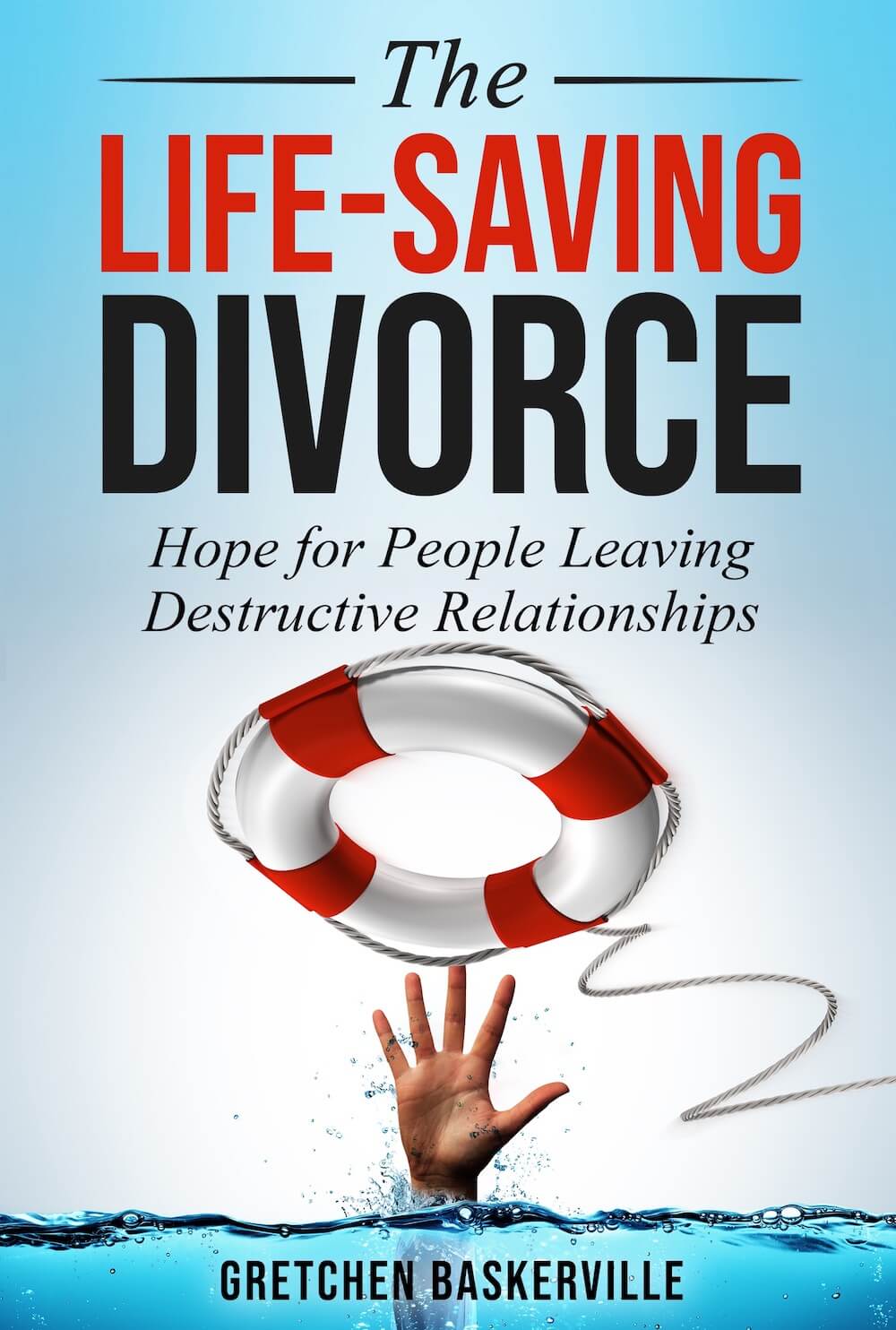
In an interview for The Life-Saving Divorce book, a father we’ll call “David” described a very different—but equally painful—custody situation.
David had been falsely accused, threatened, and manipulated during his marriage and separation. After the divorce process had begun, his estranged wife took their children out of state without his knowledge or consent. He later learned she had relocated them to Colorado.
David was innocent of the accusations being used against him, but he was understandably terrified. Because there had already been police involvement earlier in the marriage, he feared the legal system could easily be weaponized against him again.
What followed was a lengthy custody battle involving therapists, custody evaluators, judges, and extensive documentation.
At first, the court had limited information and had to sort through competing claims. But over time, David’s records, consistency, and credibility mattered. The court also saw contradictions in his ex-wife’s claims and behavior.
Eventually, a judge ruled that the children had been relocated “under false pretenses” and ordered them returned to their original state. Later, when the children needed greater stability, the court gave David primary custody. In the second part of my interview with David, we learn how he co-parented with a unreliable ex. His story is a good example of taking the high road.
David’s story is an important reminder that not every parent who makes an accusation is telling the truth, and not every parent who is accused is dangerous. Sometimes a controlling parent may misuse allegations, threats, or relocation to gain power in a custody dispute.
That is why accurate legal advice, documentation, professional evaluations, and careful fact-finding matter so much.
Why Litigation Can Intensify Fear
Family court can feel frightening, confusing, and adversarial.
That matters because protective parents may fear that one accusation, one emergency filing, or one angry allegation will permanently define them as “the bad parent.”
Threats like “I’ll have you arrested” become powerful partly because family court already feels intimidating.
What Protective Parents Can Do Instead of Relying on Fear
Experts across trauma recovery, family law, and child development consistently recommend replacing panic with information and planning.
Practical steps may include:
- quietly consulting a family law attorney
- speaking with a domestic violence advocate
- documenting threats
- gathering important documents
- creating a safety plan
- learning the custody laws in your specific state
- avoiding impulsive confrontations
- considering mediation only if safe and appropriate
Katherine Stoner, attorney-mediator and author for Nolo Press legal guides, notes that mediation is not always appropriate where coercion, intimidation, or abuse are present.
The Bigger Problem: Fear Keeps Parents From Getting Information
The saddest part of these threats is that many protective parents never discover their actual legal options.
They remain trapped because they are terrified of making one wrong move. They assume the abusive partner knows the law. They fear losing their children forever.
Marjorie Slabach, family court commissioner, offered perhaps the simplest advice:
“Educate yourself.”
Knowledge does not eliminate danger. But it can interrupt fear.
Not because every situation is simple. It isn’t.
Not because every parent should leave immediately. Every case is different.
But because protective parents deserve accurate information instead of intimidation.
If You’re Facing This Threat
If someone is telling you:
“You can’t leave.”
“You’ll be arrested.”
“You’ll never see your kids again.”
pause before assuming it is true.
Do not rely on internet rumors—or on the other parent’s version of the law.
Talk to a local family law attorney, a domestic violence organization, or a custody specialist in your jurisdiction.
The goal is not to “win.” The goal is to make informed, safe decisions for yourself and your children.
Fear should never be the only voice in the room.
Recommended reading: If you’re working through custody decisions in a high-conflict divorce, see Best Parenting Plan Workbook for High-Conflict Divorce for practical help thinking through schedules, boundaries, communication, safety concerns, and child-focused parenting plan details.
 :
:
 :
: Buy PDF